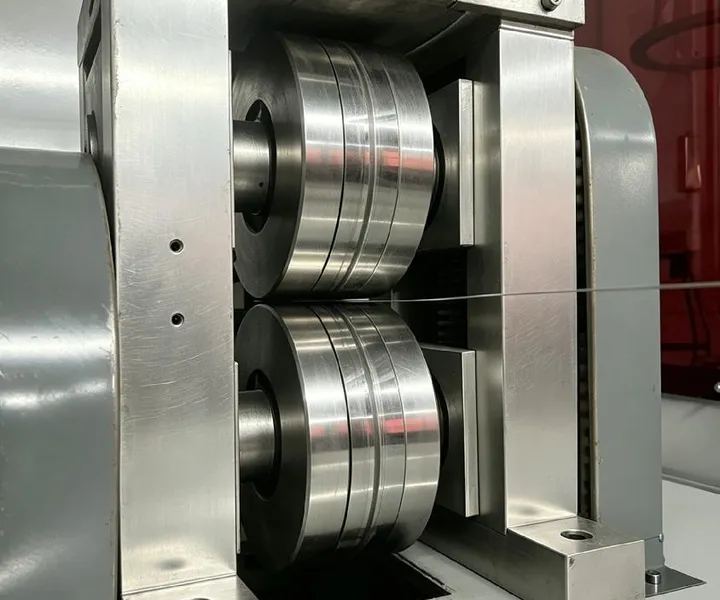
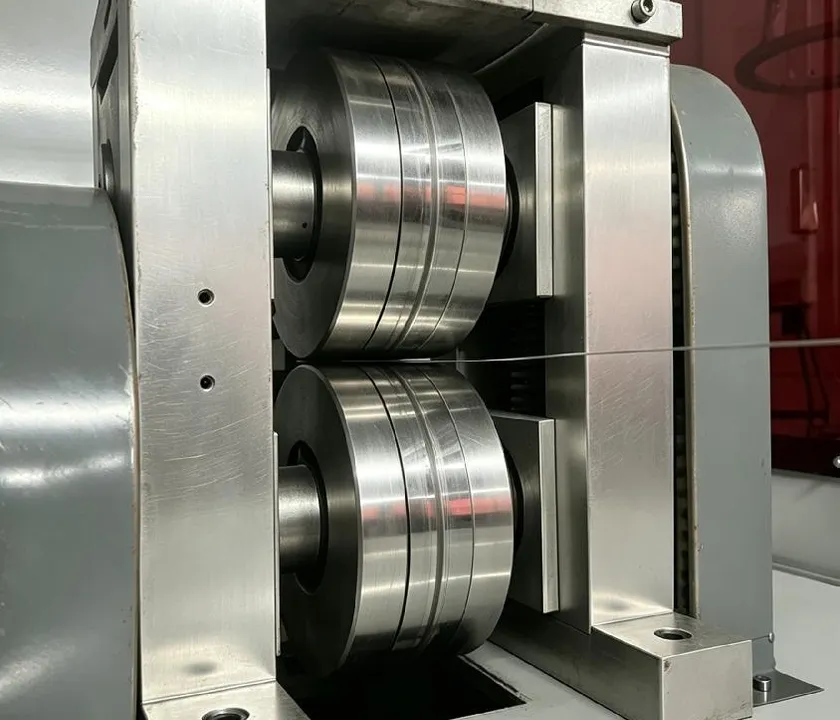
01 / Wire flattening
Flattening rolls prepare the flat wire for the required stitching-wire application.
SF-180 Modular Stitching Wire Flattening, Precision Layer Winding & Automatic Tying System
Round wire in. Finished coil out. Bring flattening, precision layer winding and automatic tying together in one coordinated production route. Choose a complete line or a tailored upgrade for your existing equipment.
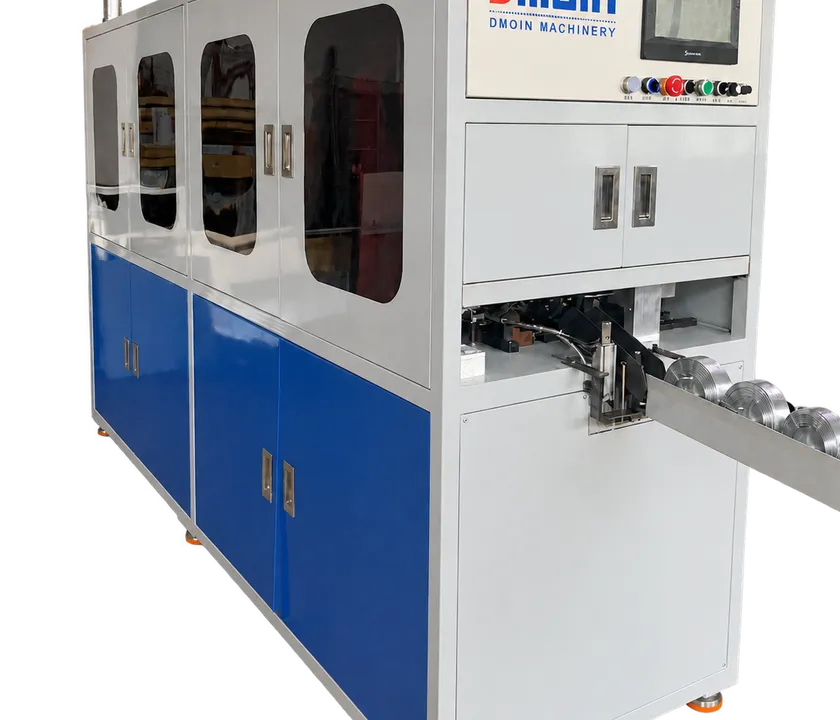
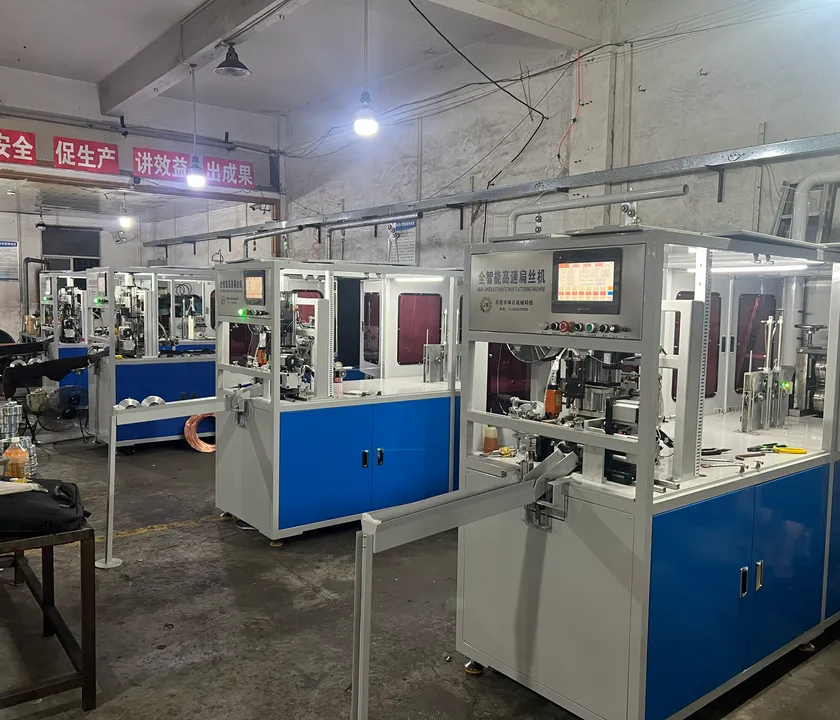
Select a thumbnail to explore the system and its process modules.
Modular by designComplete line or tailored upgrade
2 ties as standard3-tie configuration available
Approx. 90 sec / coil2.5 kg · 2 ties · reference, pending validation
FLATTENING ↗ PRECISION LAYER WINDING ↗ AUTOMATIC TYING
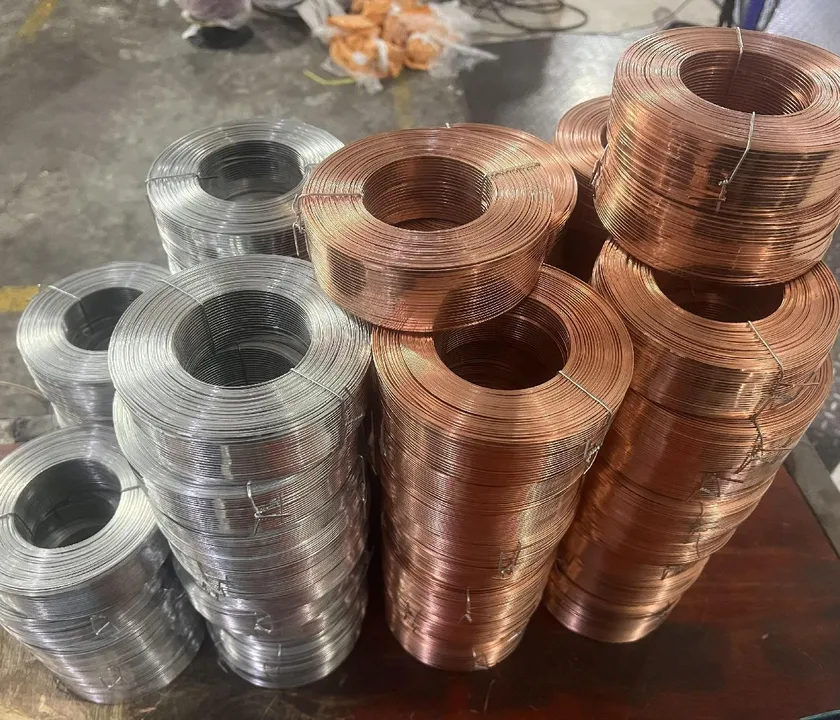
Produce the finished stitching-wire coil in one integrated route, reducing intermediate wire handling and the need for a separate rewinding stage. Two ties per coil are standard; three ties can be customized on request.
Flattening rolls prepare the flat wire for the required stitching-wire application.
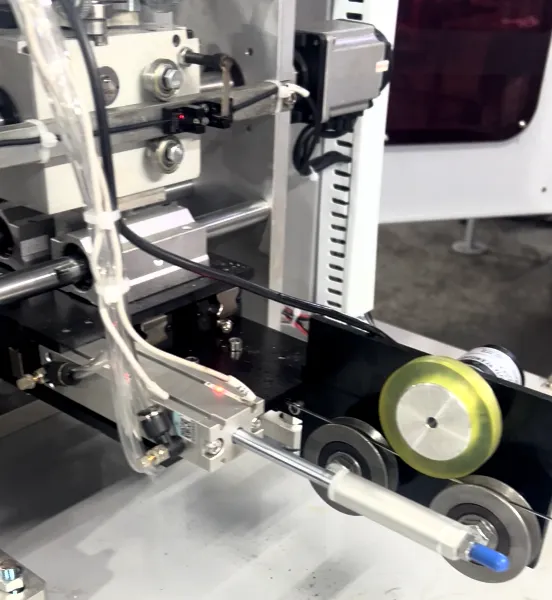
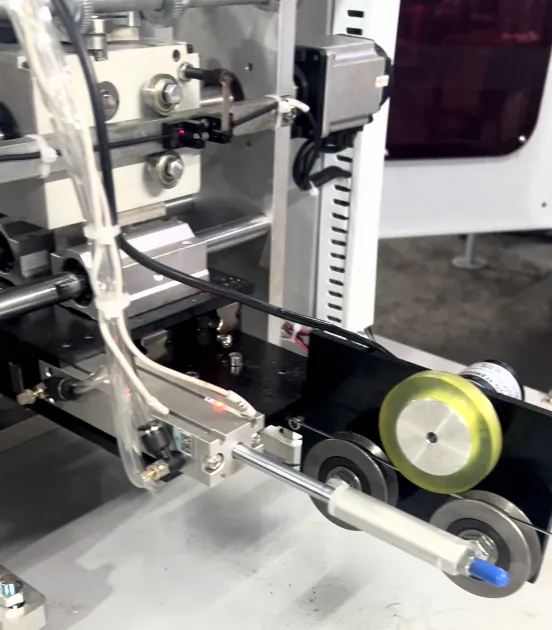
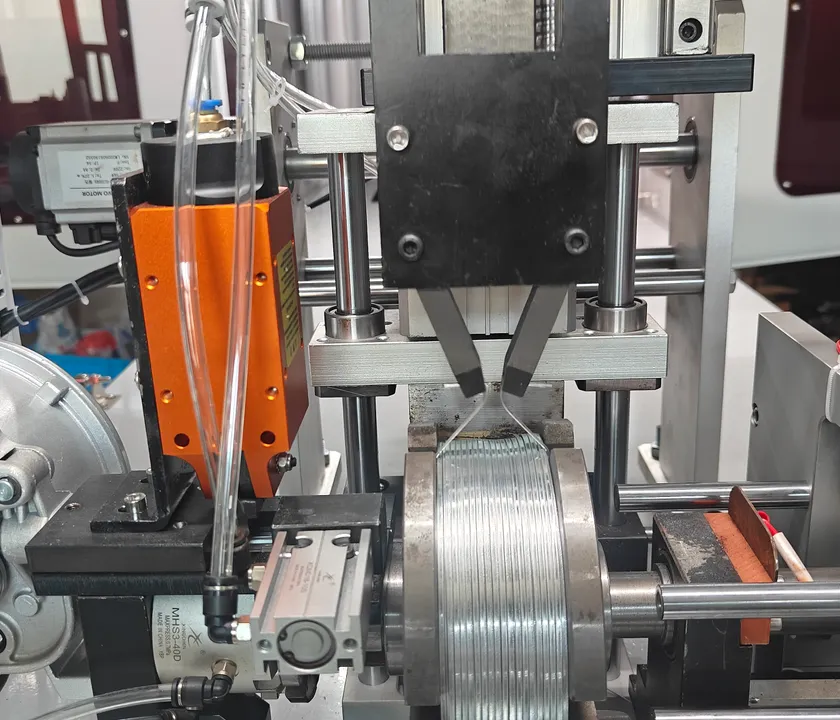
The guide and traverse arrangement lays the flat wire at the winding station.
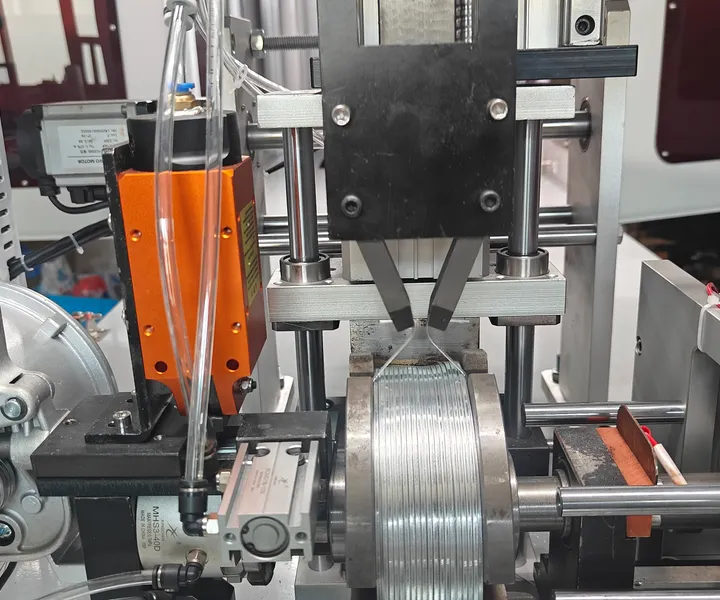
Two ties per coil are standard. A three-tie configuration can be specified.
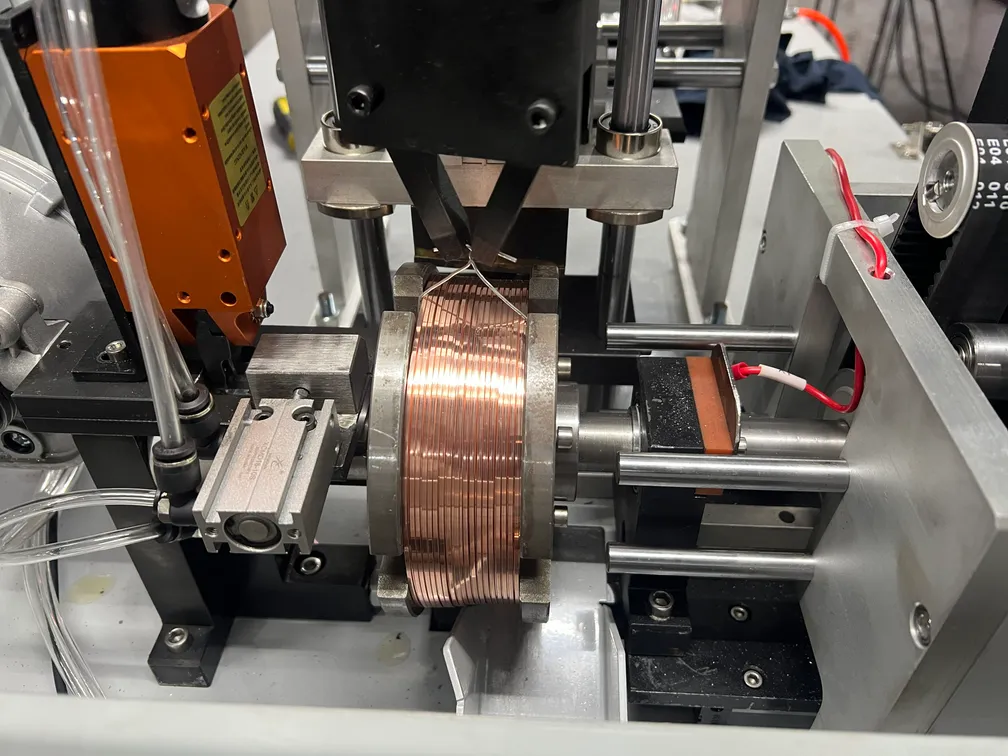
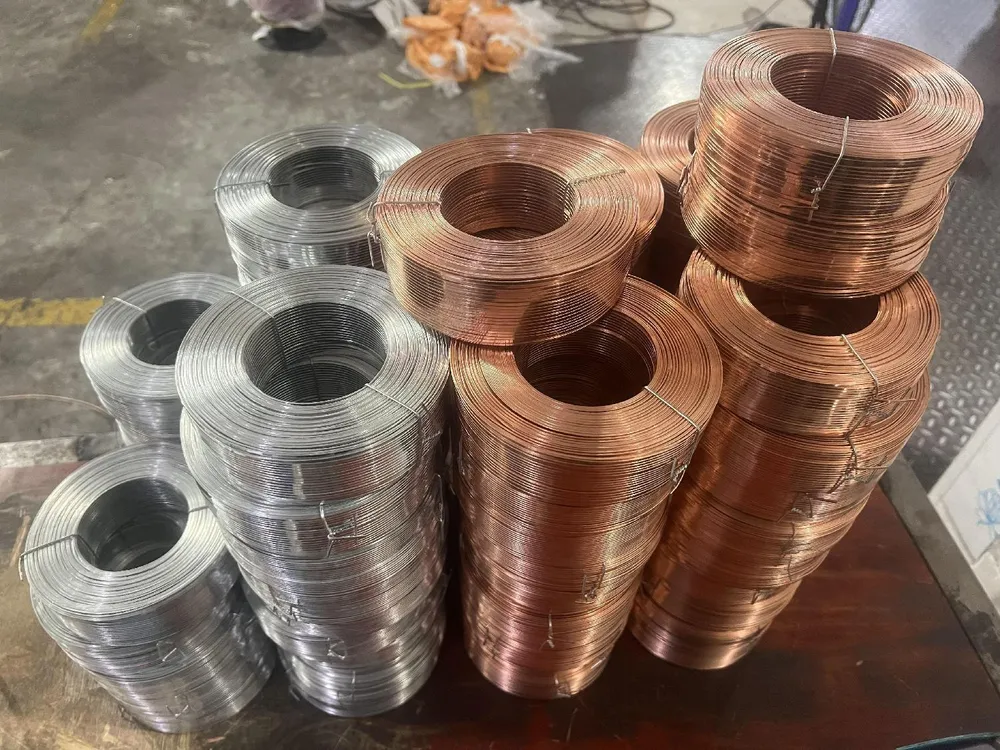
Select a complete line or a project-specific upgrade based on your existing equipment, requirements and budget.
A complete SF-180 line combining round-wire flattening, precision layer winding and automatic tying.
Request a quotation ↗Retain a suitable flattening mill and integrate it with our precision layer winding and tying equipment through a customized retrofit. Mechanical compatibility and controls must be assessed first.
Request retrofit technical evaluation ↗Purchase the downstream precision layer winding and automatic tying module separately. Upstream feeding, mechanical interfaces and control coordination are defined for your project.
Request a quotation ↗Using an existing flattening mill is a customized retrofit. We assess its mechanical arrangement, operating speed and control principles, then modify or redesign and build the control system for coordinated operation with the winding and tying modules.
This is a customized modernization project, not a plug-and-play installation. Compatibility, mechanical interfaces, control-system modifications or a newly built control system, retrofit scope and quotation are confirmed after technical evaluation.
Please include the existing mill’s control principles, drive information, operating speed, photos, videos and electrical schematics in the technical review.
Reported reference for the existing machine: a 2.5 kg coil with two ties, from round-wire flattening through precision layer winding and automatic tying. Wire material, dimensions, operating settings and test conditions remain to be documented and verified.
| Reference coil weight | 2.5 kg per coil |
|---|---|
| Full production cycle | Approx. 90 seconds, from flattening through precision layer winding and tying |
| Theoretical output | 40 coils/hour; 100 kg/hour (3,600 ÷ 90 seconds × 2.5 kg) |
| Earlier output reference | 30–40 coils/hour; reference only, to be verified under defined production conditions |
| Actual sustained output | Remains to be verified under production conditions |
| Standard tying | 2 ties per coil |
| Optional tying | 3 ties per coil; cycle time to be confirmed |
| Existing mill retrofit / separate module | Performance and compatibility assessed for each project |
Theoretical output is a calculation, not a guaranteed sustained production rate. Wire specifications, configuration, material changes and downtime affect actual output.
Round wire is flattened, precision layer wound and automatically tied in one coordinated system.
A suitable existing mill may be retained after technical evaluation. Integration requires a customized retrofit, including modification or redesign and construction of the control system. Compatibility is not unconditional.
Yes. Downstream precision layer winding and automatic tying modules can be purchased separately. Feeding, mechanical interfaces and control coordination must be agreed for your project.
Two ties per coil are standard. Three ties can be customized on request; the cycle time for that configuration remains to be confirmed.
No. At a reported 90-second cycle for a 2.5 kg coil with two ties, the theoretical calculation is 40 coils/hour or 100 kg/hour. The earlier 30–40 coils/hour reference and actual sustained output require verification under documented production conditions.
Existing mill photos and operating videos, mechanical structure and layout, technical parameters, control method and operating principles, and electrical schematics. These support the integration assessment and quotation.
Share your inlet round-wire material and diameter; target flat-wire width, thickness and any specified tolerance; coil weight, inner/outer diameter and width; required output, local power supply and pay-off arrangement; and current production method. For retrofits, include existing mill photos, videos, structure, technical parameters, control methods and electrical schematics.
The project brief tool downloads a file to your device. It does not send an inquiry or upload technical documents.